Trump's effect is already visible in US-Spain tourism
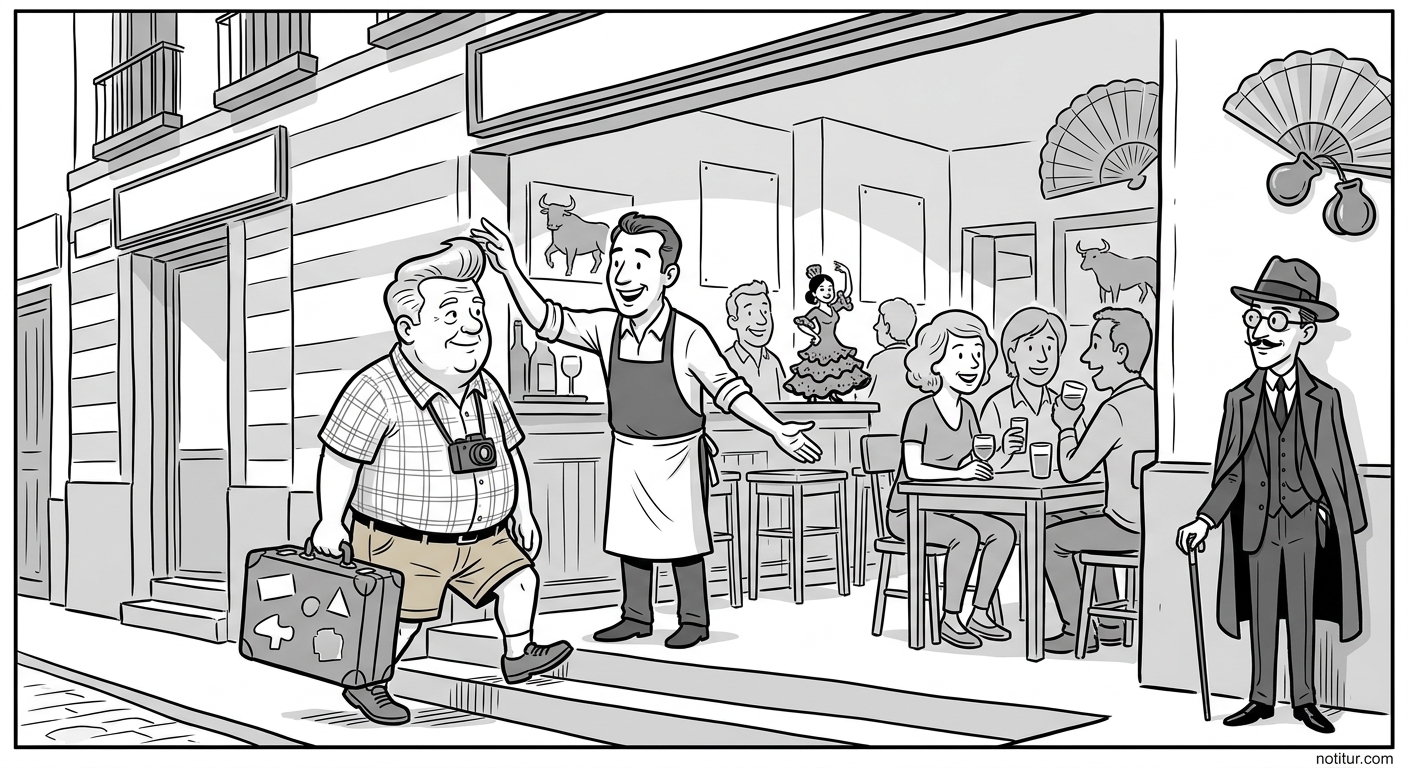
Donald Trump's trade policy and diplomatic tensions with Spain have forcefully entered the travel industry agenda. This is no background noise: concrete data already shows a shift in tourism flows between the United States and Europe, making this the dominant topic at fairs like ITB Berlin and WTM London.
Tariffs and threats: the new landscape
Trump threatened to impose tariffs on Spanish products in retaliation for what he considers unfair barriers to US tourism in Spain, as reported by Preferente. Although the measure has not yet materialized, the mere announcement creates uncertainty for airlines operating transatlantic routes and hotels reliant on North American travelers.
Meanwhile, the State Department issued travel advisories for Spain citing "political tensions", leading some US tour operators to reroute packages to alternative destinations like Portugal or Italy. According to The Guardian, flight bookings from the US to Spain dropped 8% in February compared to last year.
 notitur.com
European travelers are also reconsidering their plans
It is not just Americans changing habits. The exchange of trade threats has led many Spanish travelers to reconsider visiting the United States. Data from Hosteltur shows that flight searches to cities like New York or Miami have declined 12% in March. Low-cost airlines and OTAs are already adjusting their marketing campaigns to redirect demand toward the Caribbean and Southeast Asia.
Impact on distribution and revenue management
Revenue Managers at Spanish hotel chains with high exposure to the US market are adjusting rates and channels. Some have started reducing their dependence on US OTAs (Booking Holdings, Expedia) and strengthening agreements with European and Asian wholesalers. Political uncertainty forces more aggressive dynamic pricing models and flexible cancellation clauses.
Conclusion: a wake-up call for the industry
This is not a passing panic. Tariff threats and travel advisories are political tools that can reshape tourism flows in months. Industry professionals must monitor news, diversify markets and prepare contingency scenarios. Fairs like FITUR and WTM will be the thermometer to gauge whether this tension cools down or becomes a new normal.
Tourism is one of the most geopolitically sensitive sectors. Ignoring it is a luxury no one can afford.
Quick questions
How do Trump's policies affect tourism to Spain?
Are Spanish traveler bookings to the US declining?
What measures are hotels taking in response?
Are any alternative destinations gaining demand?
Is this a temporary crisis or a long-term trend?
Startups
The travel startups we follow, plus the ones surfacing in today's news.
- In today's news
- FlokEnd to end company retreat planning
- CocuSocialMarketplace for local activities.
- LobbyLocal onboarding for the $200B health tourism industry
Was this article useful?
5.0 · 1 vote
The daily brief
Notitur in your inbox
One sharp travel-industry brief a day. Free.
Editorial content by Notitur. It may contain errors. Verify anything important with the original source.
This article may mention third-party products, companies or services for informational purposes. Notitur does not endorse them and is not responsible for them or for what they offer. Editorial content curated by the Notitur team.