The 2026 World Cup is already breaking reservations and infrastructure
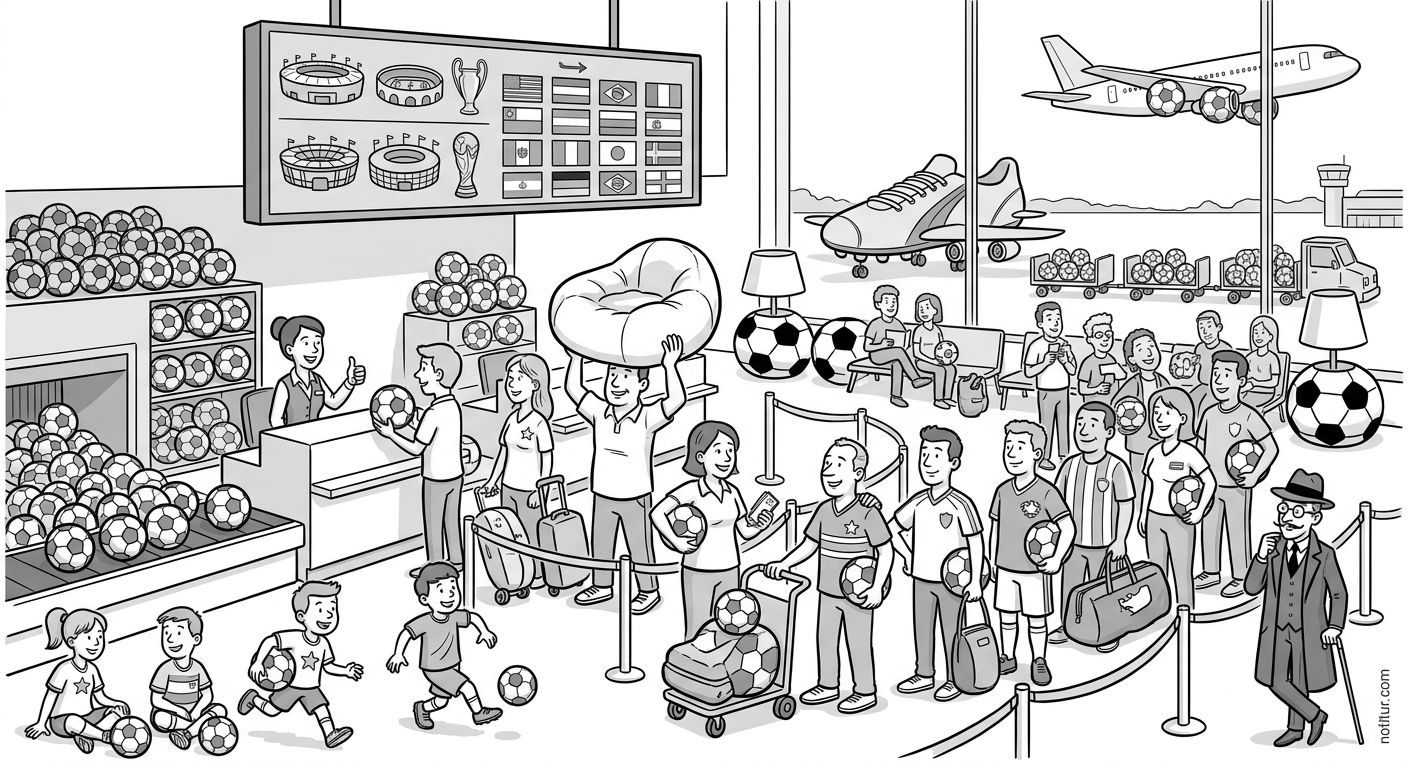
The 2026 World Cup is not just another sports event. It is a record-breaking tourism machine and a stress test for the travel industry's seams. In recent weeks, the buzz in professional circles is nonstop: airlines reporting search spikes of 300% for host cities like Mexico City, New York, and Los Angeles, while local airports race to expand runways and check-in counters.
Demand exceeding forecasts
According to Skift, flight bookings for the tournament windows are already 40% higher than any previous summer in host cities. OTAs have seen interest in accommodations in peripheral areas (50 km from stadiums) grow by 70% because city centers are already sold out. Average nightly rates for mid-range hotels have risen 120% compared to 2025. This is not a boom, it is an explosion.
 notitur.com
Airport infrastructure at breaking point
The real concern is not how many flights are sold, but whether they can be operated. The WTTC warns that airports like AICM (Mexico City) and LAX (Los Angeles) need urgent investments in handling and security, not just terminals. Contracts for baggage and ramp services are being bid at record prices, with delays in scanner and conveyor deliveries already six months behind. In Houston, the Intercontinental expansion is off schedule. The result: anticipated 2-hour immigration lines.
Shifts in booking patterns
Travelers are no longer booking 9 months ahead, but 12 or more, trying to lock in prices before airlines dynamic price. Corporate travel agencies report an increase in multi-destination packages combining matches in different host cities. Low-cost airlines are offering flat rates through subscription programs to retain fans making multiple stops. Revenue management technology faces an unpredictable demand scenario, and hotel managers are already using artificial intelligence to adjust prices hour by hour.
Growing logistical tensions
The dark side is social and operational stress. Air traffic controller strikes in Europe and North America threaten to repeat in the summer of 2026. Local tour operators in Mexico denounce a lack of coordination with federal authorities. US airlines are negotiating special bonuses with pilots to avoid walkouts. PhocusWire notes that claims management and overbooking will be a minefield, with potential million-dollar fines.
Conclusion: the 2026 World Cup will be a stress lab for the entire travel value chain. Those investing today in robust processes, automation, and airport supplier relationships will come out ahead. Those trusting that demand alone will pay the broken dishes will suffer. The opportunity is huge, but the window is short.
Quick questions
When does the 2026 World Cup start?
Which cities will host the 2026 World Cup?
How will the 2026 World Cup affect hotel bookings?
What infrastructure problems are expected?
Should I book now for the 2026 World Cup?
Startups
The travel startups we follow, plus the ones surfacing in today's news.
Was this article useful?
The daily brief
Notitur in your inbox
One sharp travel-industry brief a day. Free.
Editorial content by Notitur. It may contain errors. Verify anything important with the original source.
This article may mention third-party products, companies or services for informational purposes. Notitur does not endorse them and is not responsible for them or for what they offer. Editorial content curated by the Notitur team.