2030 World Cup: the tourism map changes and you need to move now
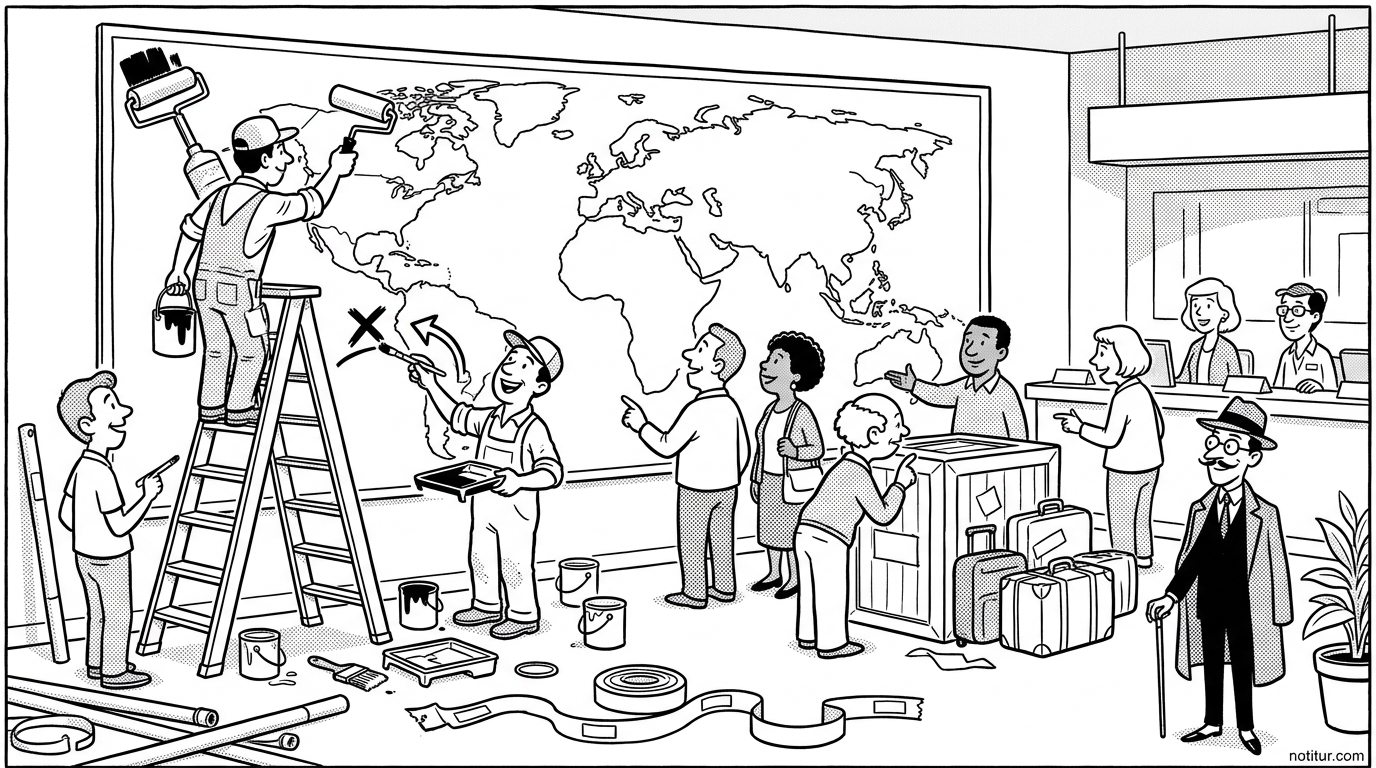
The 2030 World Cup is not just any World Cup. It is a championship-level logistical challenge: six countries, three continents and 104 matches that will rewrite the rules for the travel industry. And here is the catch: waiting until 2029 to move is not an option.
According to information published by Olympics.com, the tournament will take place between June 8 and July 21, 2030. The first three matches, the centenary ones, will be played in Uruguay, Argentina and Paraguay (one each). The remaining 101 will be split between Spain, Portugal and Morocco, the main hosts.
Where is the opportunity for the sector?
For those working in hotels, airlines or distribution, this is not just football. It is a tectonic shift in demand. On one hand, the pull of South America for nostalgic travelers wanting to be at the birthplace of it all. On the other, the Spain-Portugal-Morocco axis, which will concentrate the bulk of tourist flow. Morocco, in addition, aims to host the final. That means its hotel and infrastructure plan needs to speed up now.
- Spain will lead in number of matches, according to projections, due to its established infrastructure.
- Portugal and Morocco will have a smaller share, but with a huge demonstration effect.
- South America will capture high-value symbolic and luxury tourism, with three matches that will be a magnet for collectors and high-end fans.
 notitur.com
My take: preparation is not optional, it is mandatory
In my opinion, the ones who will seize the opportunity most are DMCs and tour operators specialized in sports and high-impact travel. This is not an event for generic packages. Inbound agencies in Spain and Morocco should already be designing combined itineraries linking venues, because fans crossing the Atlantic will want to see more than one match. And hoteliers in cities like Madrid, Barcelona, Seville, Lisbon or Tangier need to review their revenue management strategy five years in advance. That is not crazy: it is what any manager who has lived through overselling crises at big events would do.
The logistics of moving fans between three continents in a month will strain air connections. Airlines operating direct routes between South America and the Iberian Peninsula, and between Europe and Morocco, will have a brutal competitive edge. Iberia, TAP, Ryanair and low-cost carriers in North Africa should already be scheduling their fleet.
Conclusion with a point of view
The 2030 World Cup is not a distant dream. It is a business plan that starts being written now. Those who take the planning window seriously, with hotel deals closed and dynamic packages lined up before the market heats up, will be the ones eating the cake. The rest will watch from the stands with empty pockets.
You have the calendar, you have the countries. Now all that is missing is the will to move.
Quick questions
When is the 2030 World Cup?
Which countries are hosting the 2030 World Cup?
How many matches are there in each 2030 World Cup country?
Where is the 2030 World Cup final played?
How many teams participate in the 2030 World Cup?
Startups
The travel startups we follow, plus the ones surfacing in today's news.
- In today's news
- Marti TechnologiesApp de movilidad urbana líder en Turquía, con 7,8 millones de usuarios únicos, que añadirá vehículos autónomos en 20 ciudades.
- TensorCompañía con sede en San José, pionera en vehículos autónomos Nivel 4, con hitos regulatorios en California y oficinas en Barcelona, Singapur y Dubái.
- ApaleoPlataforma de gestión hotelera API-first, abierta e interoperable que permite a los hoteles integrar herramientas sin estar atados a un PMS monolítico.
Was this article useful?
The daily brief
Notitur in your inbox
One sharp travel-industry brief a day. Free.
Editorial content by Notitur. It may contain errors. Verify anything important with the original source.
This article may mention third-party products, companies or services for informational purposes. Notitur does not endorse them and is not responsible for them or for what they offer. Editorial content curated by the Notitur team.